Skip to content


Down duvets are a top choice for cozy winter sleep in many households, thanks to their light weight and excellent warmth. Goose down duvets, in particular, are beloved for their high loft and superior insulation. But one common question plagues most users: How do you clean a down duvet? Professional cleaning can be costly, and washing it yourself feels risky—you don’t want to damage the down clusters or ruin its warmth. The good news is, with the right methods, both hand washing and machine washing a down duvet are totally manageable. Below is a step-by-step guide covering pre-wash prep, hand washing steps, machine washing tips, drying techniques, and daily care. We’ll also share special notes for goose down duvets, so you can keep your high-quality bedding in top shape.
1. Pre-Wash Prep: 3 Steps to Avoid Damage
Proper prep is key to protecting your down duvet—especially delicate goose down duvets. Follow these steps before you start:
-
Check for damage and pre-treat stainsFirst, inspect the duvet for holes or loose stitches. Sew up any holes to prevent down clusters from escaping during washing. For spot stains (like sweat, oil, or juice), dilute a mild detergent with water and gently scrub the area with a soft brush. Avoid harsh scrubbing, which can pill the fabric or harm the down.
-
Choose the right detergentNever use laundry detergent or powder with bleach, fluorescent agents, or enzymes. These ingredients break down the down’s protein structure, making clusters stiff, clumpy, and less warm. Opt for a down-specific detergent or mild detergent (check the label—pH 7 is ideal). These detergents produce less foam and rinse easily, protecting the down fibers.
-
Remove detachable partsIf your duvet has a cover, take it off and wash it separately (follow regular laundry instructions for the cover). Some duvets have removable inner liners—check if they can be taken apart. If not, wash the duvet as a whole; don’t force it apart, as this can damage the structure.
2. Hand Washing: Best for Small Stains or Precious Goose Down Duvets
Hand washing minimizes friction, making it perfect for duvets with small stains or high-quality goose down. Here’s how to do it:
-
Fill a tub with warm waterUse a large basin or bathtub and add water that’s below 30°C (86°F). Hot water can shrink down clusters—especially goose down—and make them clumpy. The water should be deep enough to submerge the duvet.
-
Dilute detergent and soakStir the down-specific detergent into the water until fully dissolved. Submerge the duvet and gently press it to soak up the soapy water. Let it soak for 15-20 minutes—no longer, as this can lead to detergent buildup.
-
Wash gently (no twisting!)Clean the duvet by pressing it softly along the fabric grain. Focus on pre-treated stains, but never rub or wring the duvet. Rubbing tangles down clusters, while wringing can break stitches or tear the fabric.
-
Rinse thoroughlyRinse with water below 30°C, pressing out dirty water each time. Repeat 3-4 times until the water runs clear (no more suds). For the final rinse, add 1-2 tablespoons of white vinegar per liter of water—this neutralizes leftover detergent and boosts loft.
-
Remove excess water and air-dryLay the duvet on a clean towel, roll them up together, and press to soak up water (repeat 2-3 times). Never wring it dry! Hang the duvet in a cool, well-ventilated area—avoid direct sunlight, which can dry out and weaken down fibers. Every 1-2 hours, gently fluff the duvet to loosen clusters and prevent clumping.
3. Machine Washing: Choose the Right Settings
Machine washing a down duvet works if you have a large enough washer and use the correct settings—critical for goose down duvets. Follow these tips:
-
Check washer capacityUse a washer with a capacity of at least 8kg (17.6lbs). A small washer won’t let the duvet move freely, leading to tangled down and fabric damage. Empty the washer first to remove coins, buttons, or other sharp objects that could scratch the duvet.
-
Set the right cycle
-
Water temperature: Use cold water or water below 30°C—hot water is a no-go.
-
Cycle: Choose "Delicate," "Wool," or "Down" (if your washer has this setting). These cycles have low spin speeds and gentle agitation, protecting the down.
-
Spin speed: Keep it below 800 RPM. High spin speeds crush down clusters and may tear the fabric.
-
-
Add detergent and load properlyPour down-specific detergent into the washer’s detergent compartment (don’t pour directly on the duvet). Lay the duvet flat in the washer. If space allows, add 1-2 clean tennis balls or down drying balls—they bounce around during washing and drying, keeping clusters fluffy and preventing clumping.
-
Dry immediately after washingTake the duvet out right after the cycle ends—don’t leave it in the washer, as moisture can cause mold. If your washer has a dryer, use the "Low Heat" setting (below 40°C/104°F). Pause every 30 minutes to fluff the duvet. If you don’t have a dryer, air-dry it in a cool, ventilated area and fluff regularly.
4. Drying: Low Heat + Fluffing = Fluffy Duvet
Drying correctly is crucial to restoring loft—especially for goose down duvets, where loft directly impacts warmth:
-
Machine dryingUse low heat and low airflow. Drying time usually takes 1-2 hours (varies by duvet thickness). Tennis balls are a must—they prevent clumping. After drying, let the duvet cool for 10-15 minutes in a well-ventilated area, then gently fluff the entire surface to ensure all clusters are loose.
-
Air dryingHang the duvet in a cool, breezy spot (like a balcony or window—avoid direct sun). Air drying takes 1-2 days (depending on the weather). Fluff the duvet every hour by patting from the center outwards to separate tangled clusters.
5. Daily Care: Reduce Washing Frequency
Down duvets don’t need frequent washing—over-washing damages fibers and reduces warmth. Follow these tips to keep it clean longer:
-
After each use, lay the duvet flat on the bed to air out for 1-2 hours, removing moisture and odors.
-
Use a duvet cover and wash it weekly—this keeps the duvet core free from sweat and dust.
-
Store the duvet in a cool, dry place in a breathable cotton bag (avoid plastic bags, which trap moisture and cause mold). Make sure it’s fully dry before storing, and don’t compress it—this preserves loft.
-
For small spills, blot the area with a clean towel immediately and air-dry—no full wash needed.
Recommendation: APSMILE Down Duvet—High Quality & Easy to Care For
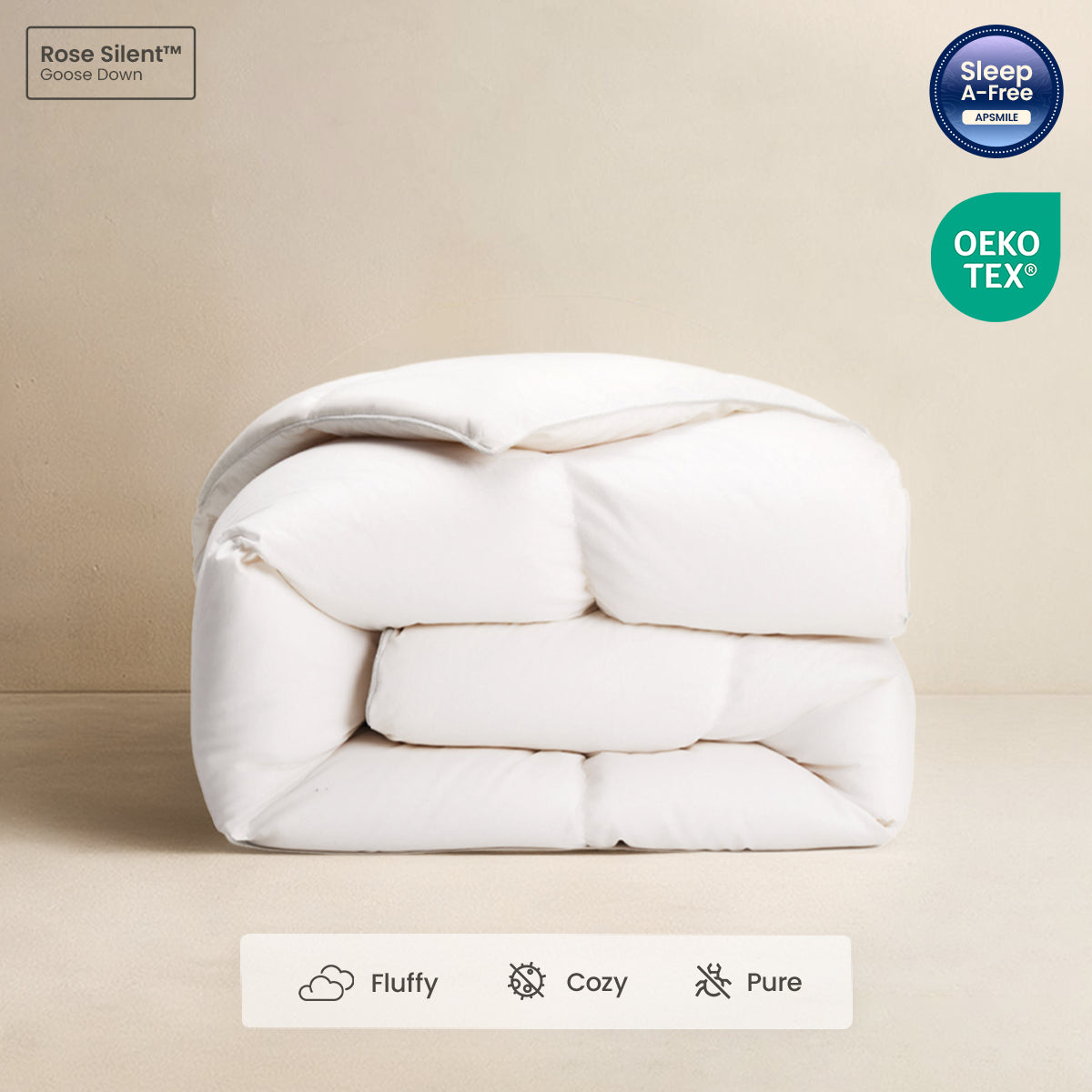
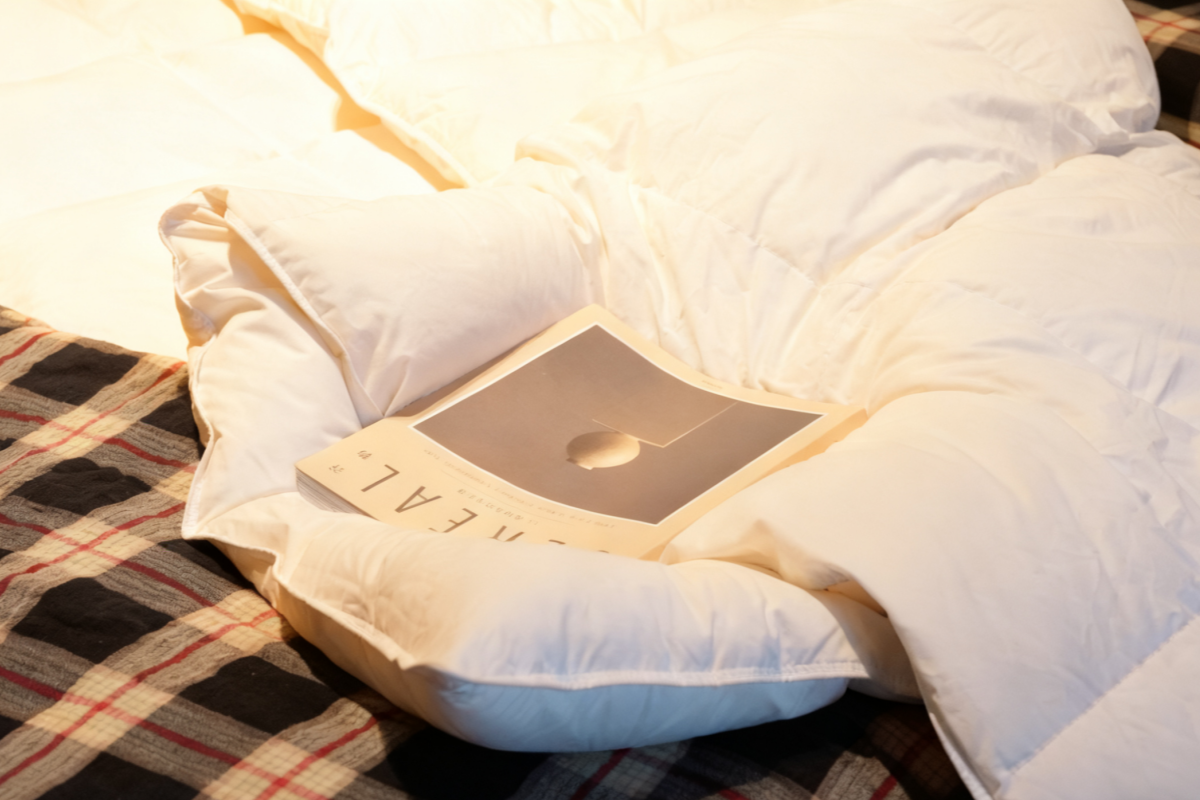
To make cleaning stress-free and enjoy cozy sleep, choose a high-quality down duvet like APSMILE. Made with premium large white goose down clusters, it offers exceptional loft and warmth. The down is thoroughly cleaned to reduce odors and impurities, so you won’t need to wash it often.
APSMILE’s duvet features box-stitch construction with tight, even stitching—this locks down clusters in place, preventing escape during washing. The high-thread-count fabric is soft, skin-friendly, and durable, standing up to both hand and machine washing without pilling or tearing.
Plus, it comes with a removable cover—just wash the cover regularly, and the duvet core stays clean. For anyone seeking quality sleep, APSMILE’s down duvet delivers warmth, comfort, and easy care—making it the perfect addition to your winter bedding.