Skip to content


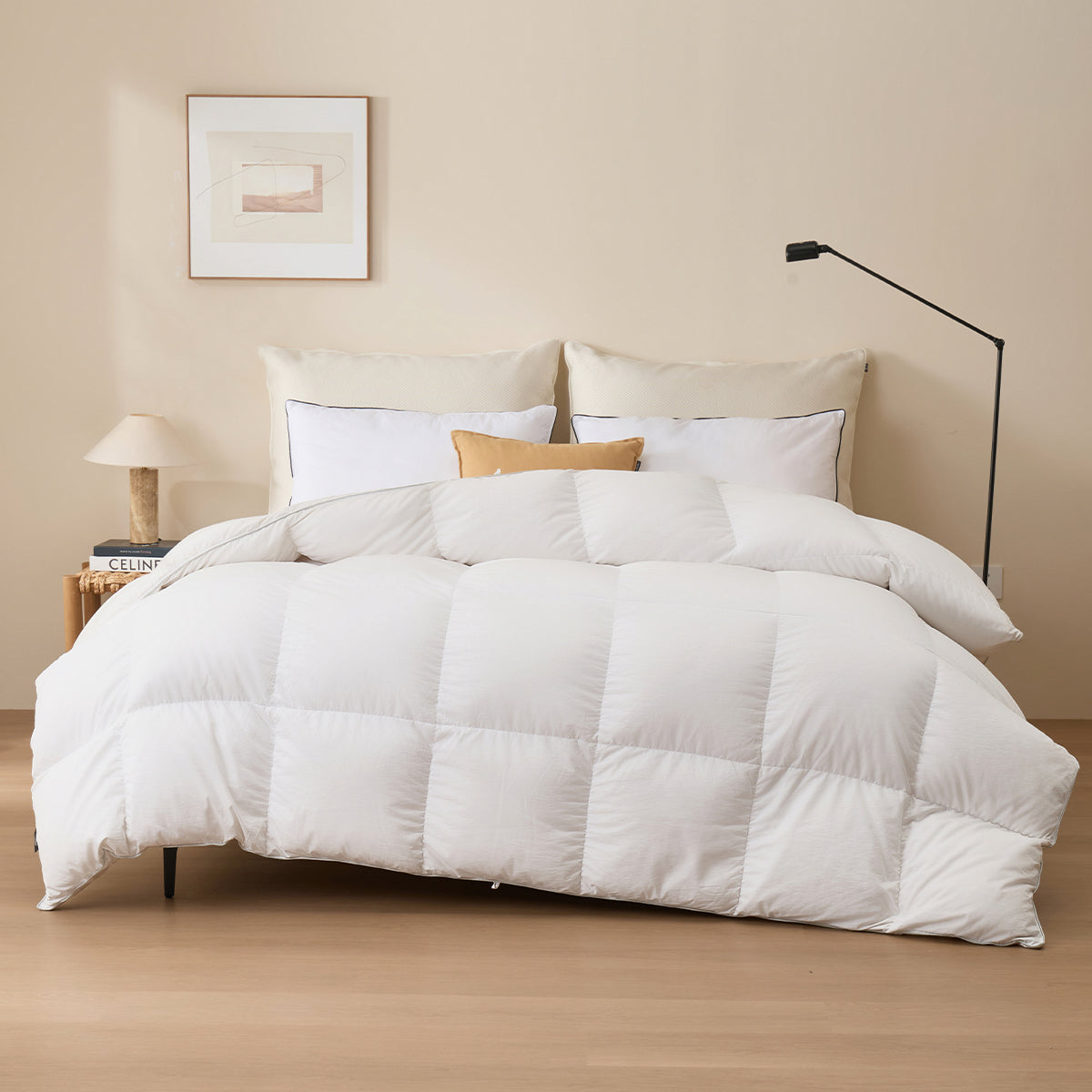
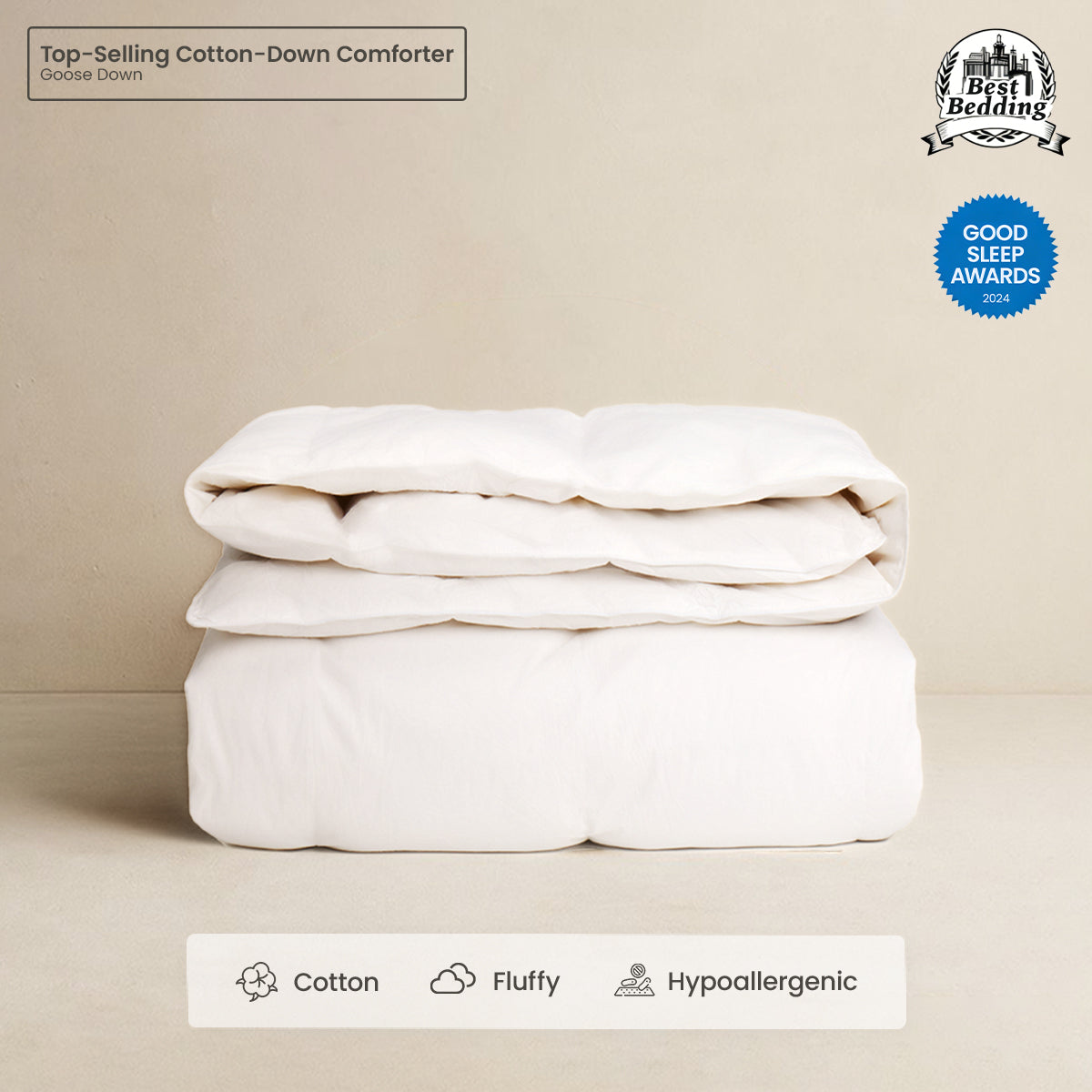
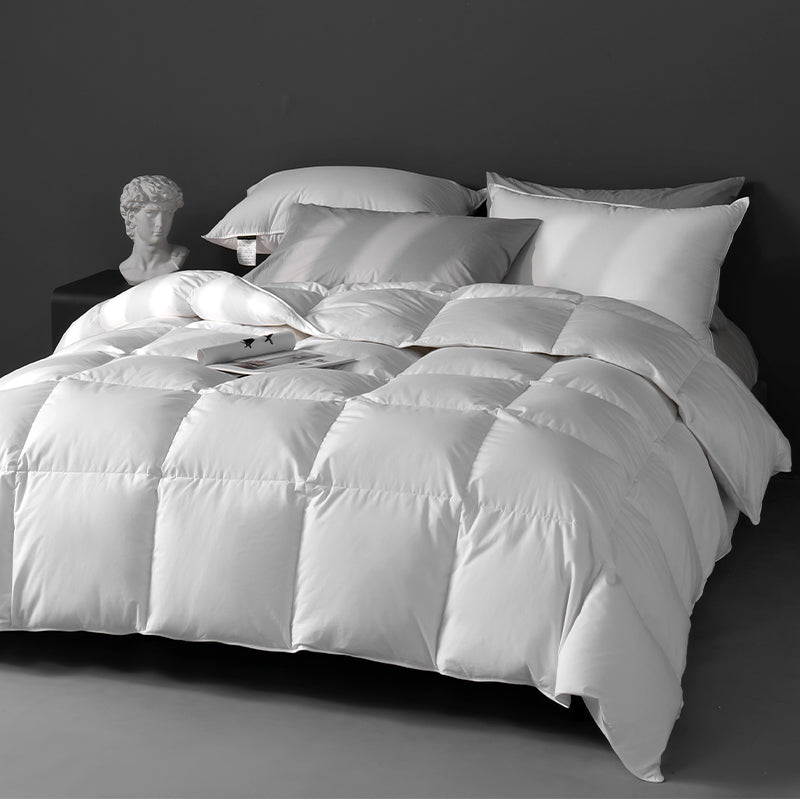
When it comes to picking a comforter for a cozy night’s sleep, many people weigh the pros and cons of two popular options: cotton comforters and down comforters. Cotton is a beloved classic, prized for its affordability and natural feel, but down comforters come with a premium price tag that leaves people wondering—what exactly makes them so costly? APSMILE Down Comforter, a standout in the premium bedding market, perfectly exemplifies the value behind high-quality down products. This article breaks down their core differences, ideal use cases, care routines, and the science behind down’s higher cost, with insights into how APSMILE elevates the down comforter experience—all tailored to everyday climate and lifestyle needs.

PART ONE: Core Difference Comparison
The fundamental distinctions between cotton and down comforters lie in their insulation mechanisms, performance, and longevity. The table below outlines key metrics to help you compare:
|
Dimension
|
Cotton Comforter
|
Down Comforter
|
|
Warmth Principle
|
Relies on cotton fiber density to trap air; warmth depends on thickness
|
Uses fluffy down clusters to lock in air; warmth determined by fill power
|
|
Core Advantages
|
Naturally skin-friendly, hypoallergenic, moisture-wicking (no overheating)
|
Ultra-lightweight (no pressure on the body), high warmth efficiency
|
|
Notable Drawbacks
|
Bulky, prone to clumping, requires regular restuffing
|
High upfront cost, susceptible to odor in humid environments
|
|
Lifespan
|
3–5 years (needs annual fiber fluffing)
|
10+ years (with proper maintenance)
|
|
Recommended Users
|
Seniors, kids, sensitive skin types, budget-conscious shoppers
|
Those seeking lightweight warmth, cold sleepers, and anyone short on storage space—APSMILE Down Comforters offer adjustable warmth levels, making them perfect for year-round use
|

PART TWO: User & Scenario Analysis
In the U.S., regional climate variations and personal needs heavily influence comforter choices, from the frigid Midwest to the humid Southeast.
1. Regional Climate Considerations
-
Cold Regions: As fall turns to winter, temperatures in colder areas drop to 0–10°F (-18–-12°C) with dry, windy conditions, putting warmth at the top of the priority list. Down comforters are the gold standard here—their high fill power delivers unbeatable insulation without the bulk of a thick cotton comforter. The APSMILE Down Comforter uses 700+ fill-power goose down, locking in heat effectively while staying lightweight, even on the chilliest nights. For areas where heating kicks in late, layering a thin cotton comforter under the APSMILE Down Comforter boosts warmth even further.
-
Humid Regions: In more humid areas, fall temperatures hover around 41–59°F (5–15°C) with humidity often exceeding 70%, creating a bone-chilling damp cold. Cotton comforters are better suited here: their moisture-wicking properties prevent trapped sweat and mildew, whereas down can hold onto dampness and develop musty odors in muggy air. Opt for lightweight cotton to avoid overheating.
2. Specialized User Needs
-
Seniors & Infants: Cotton is the top choice for households with elderly family members or babies. It’s chemical-free, static-free, and won’t shed tiny fibers—an important consideration for infant airways. Look for 100% long-staple cotton for extra softness, a feature widely highlighted in baby bedding lines.
-
Cold Sleepers: Down comforters shine for those who struggle with nighttime chills. A 3-pound goose down comforter offers the same warmth as a 7-pound cotton comforter, and its flexible clusters conform to body curves to seal in heat—critical for light sleepers who hate “cold gaps” when turning over.
-
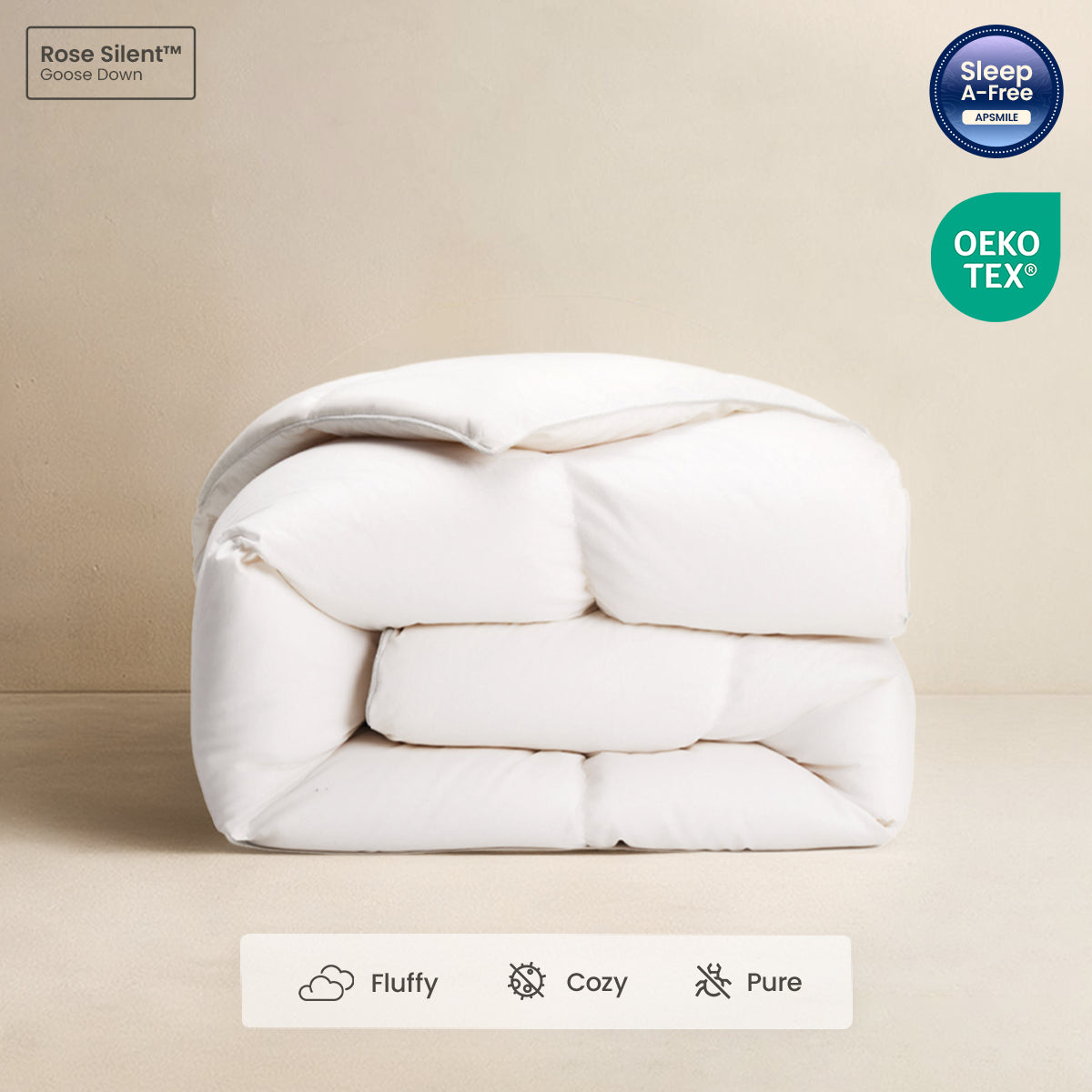
Sensitive/Allergic Skin: If you’re allergic to down, stick to organic cotton comforters certified by organizations like GOTS (Global Organic Textile Standard). For down lovers with mild sensitivities, the APSMILE Down Comforter is an ideal choice—it undergoes a 6-step purification process to remove dust mites and allergens, a rigorous quality control standard that makes it a top pick for households with sensitive skin.

PART THREE: Cleaning & Maintenance Tips
Proper care directly impacts a comforter’s lifespan and performance—especially crucial for protecting a pricey down investment.
Cotton Comforters: Air-Dry Only, Regular Restuffing
Cotton fibers clump irreparably when wet, so bedding experts universally advise against machine or hand washing. Instead, focus on these care steps:
-
First Use Prep: Lay it out in direct sunlight for 2–3 hours (flip hourly) to kill bacteria and fluff fibers, then gently beat with a wooden dowel (avoid harsh hitting, which damages cotton strands).
-
Daily Care: Sun-dry for 1–2 hours once a week (avoid midday summer sun, which can make cotton brittle). Spot-clean stains with a damp cloth and mild detergent, then air-dry completely before use.
-
Longevity Hack: After 1–2 years, take it to a local “cotton fluffing” shop (common in rural and suburban areas) to restructure clumped fibers—this restores 80% of its original warmth.

Down Comforters: Gentle Cleaning, Low-Heat Drying
Down’s delicate clusters and water-repellent coating require careful maintenance, a factor that adds to its long-term value:
-
First Use Prep: No washing needed—air it out in shade for 1 hour (direct sun can degrade down’s natural oils) and lightly pat to restore fluff. For new-comforter odor, hang it in a well-ventilated area for 2–3 days or toss it in the dryer on low heat for 10 minutes (add wool dryer balls to prevent clumping).
-
Stain Treatment: Blot small stains with a cotton swab dipped in diluted wool-safe detergent (avoid harsh cleaners that strip down’s natural oils), then wipe with a damp cloth and air-dry. APSMILE Down Comforter features a water-resistant fabric shell that minimizes stain penetration, making spot cleaning much easier. For deep cleaning, use an EPA-approved gentle detergent, wash on the “delicate” cycle with cold water (max 30°C), and tumble dry on low heat with two tennis balls to keep the down clusters fluffy and unclumped.
-
Storage: Use a breathable cotton storage bag (never plastic, which traps moisture) and store in a cool, dry closet—avoid heavy compression, which crushes down clusters (a common mistake for homeowners with limited closet space).

PART FOUR: Why Down Comforters Cost More (And Why They’re Worth It)
For many people, down’s higher price (ranging from $300–$1,500 for a queen size, vs. $50–$200 for cotton) is justified by its durability, performance, and long-term value. The APSMILE Down Comforter is a great example of affordability—its queen-size model starts at around $400 but lasts 15+ years, making the investment well worth it. Let’s break this down from both economic and scientific perspectives:
1. The “Cost Per Year” Math
A budget cotton comforter ($100) lasts 3–5 years, averaging $20–$33 per year. A mid-range down comforter ($600) lasts 10–15 years, costing just $40–$60 per year—and it eliminates the need for annual restuffing fees (which add $50–$80 per year for cotton). For premium down (e.g., 800-fill-power goose down), the lifespan extends to 20+ years, making the per-year cost even lower.
2. The Science of Down’s Superiority
Down outperforms cotton on every key performance metric, as backed by textile testing data:
|
Metric
|
Cotton
|
Down
|
Key Takeaway
|
|
Heat Transfer Coefficient
|
9.717
|
5.930
|
Lower = less heat loss—down retains 20% more warmth
|
|
Fill Power (Fluffiness)
|
76.92 cm³/g
|
383.56 cm³/g
|
Down’s fluff is 5x greater, trapping more insulating air
|
|
Moisture Regain
|
9.86% (high)
|
8.13% (low)
|
Down absorbs less sweat, avoiding clumping and odor
|
|
Warmth-to-Weight Ratio
|
0.617 clo
|
1.109 clo
|
Down is nearly twice as warm per pound, ideal for lightweight comfort—APSMILE sources its down responsibly, striking the perfect balance between fill power and affordability, so consumers get high-quality warmth at a reasonable price.
|
3. Down’s Unique Durability Features
-
No Clumping: Unlike cotton’s linear fibers (which mat over time), down’s spherical clusters retain their shape indefinitely—even after years of use.
-
Water-Resistant Coating: Down’s natural oils repel moisture, so it doesn’t get heavy or musty in humid climates (a game-changer for coastal areas).
-
Reusability: When the outer cover wears out, specialty shops can extract and re-stuff the down into a new shell—extending its life by 5–10 more years (a service rarely available for cotton comforters). To leverage this, APSMILE offers custom cover replacement for its down comforters, making the process seamless for customers.

Final Verdict
Cotton comforters are the affordable, low-maintenance choice for budget shoppers, sensitive skin types, and humid regions. Down comforters, meanwhile, justify their premium price with unmatched warmth, longevity, and lightweight comfort—making them a smart investment for cold winters, frequent sleepers, and anyone who values long-term bedding quality. The APSMILE Down Comforter stands out with its accessible pricing, hypoallergenic design, and durable construction, bridging the gap between luxury and practicality. For most households, the choice comes down to climate, budget, and whether you prioritize upfront savings or long-term comfort—and if you’re leaning toward down, the APSMILE Down Comforter is undoubtedly a top pick that balances performance and value.