Skip to content

Washing comforters properly depends on its fill material (e.g., down, synthetic, wool) and care label instructions—but here’s a step-by-step guide to common settings and best practices to avoid damage (always check the care tag first, as it takes priority!).

Step 1: Check the Care Label First
This is non-negotiable! The label will specify:
- Washable or dry-clean only: Some delicate fills (like real down or wool) may require dry cleaning to prevent clumping or shrinkage.
- Water temperature: Typically “cold,” “warm,” or “cool”—hot water can damage fibers or fade colors.
- Cycle type: Gentle, delicate, or normal.
- Drying instructions: Tumble dry or air dry.

Step 2: Choose the Right Washer and Dryer
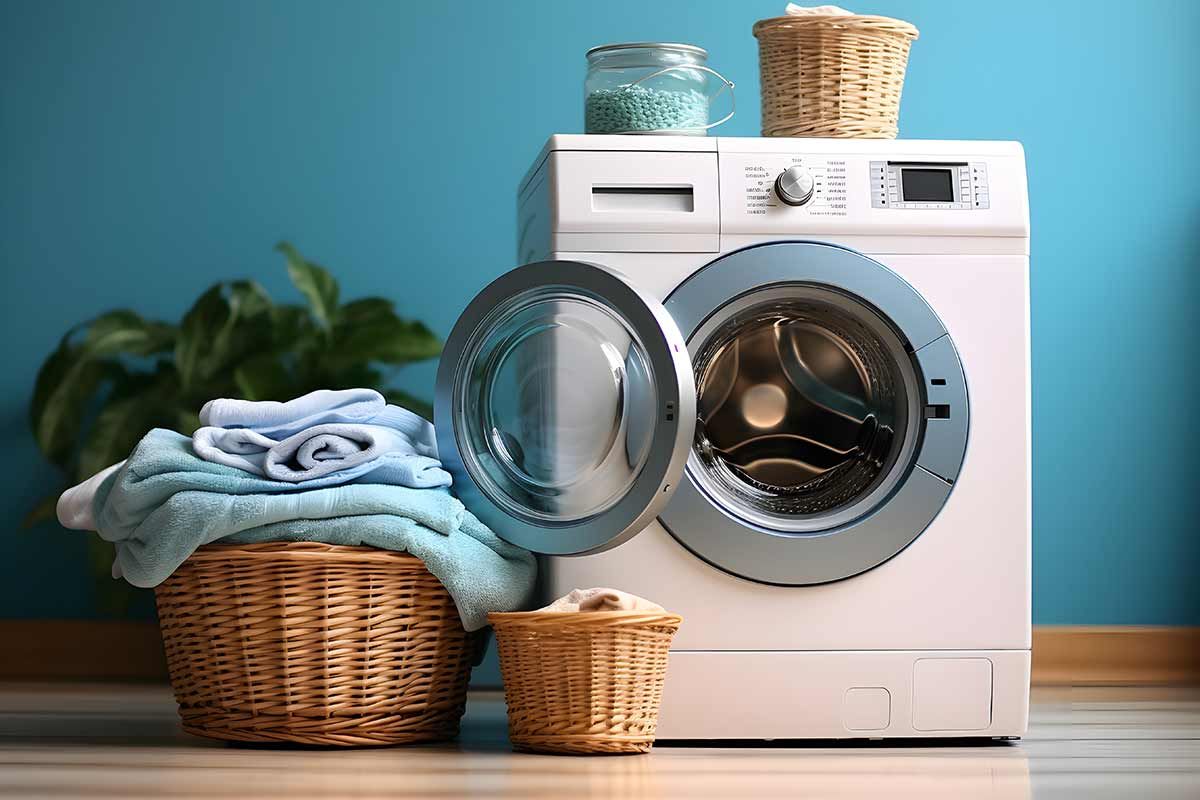
- Use a large capacity washer: A top-loading washer with an agitator (central post) can twist and tear comforters—opt for a front loading washer or a top load without an agitator (HE, high-efficiency).
- Don’t overcrowd: Wash the comforter alone (or with 1–2 small, similar items like pillowcases) so water and detergent can circulate freely. Overloading leads to incomplete cleaning and clumping.

Step 3: Washer Settings by Comforter Type
Below are standard settings for common comforter fills (if the care label allows machine washing):
|
Comforter Fill Type
|
Water Temperature
|
Wash Cycle
|
Detergent Type
|
Key Notes
|
|
Synthetic (polyester, microfiber)
|
Warm (90–105°F / 32–40°C) or Cold
|
Normal or Gentle
|
Mild liquid detergent (e.g., Woolite)
|
Most durable—avoid bleach or fabric softener (can coat fibers and reduce fluff).
|
|
Cold (60–80°F / 15–26°C)
|
Gentle or Delicate
|
Down-specific detergent (e.g., Nikwax Down Wash)
|
Regular detergent leaves residue that breaks down down fibers. Skip fabric softener—it clogs down pores.
|
|
|
Wool
|
Cold (max 80°F / 26°C)
|
Wool or Delicate
|
Wool-specific detergent (e.g., Eucalan)
|
Wool shrinks in warm/hot water. Never use bleach or fabric softener.
|
|
Cotton (all-cotton fill/shell)
|
Warm (90–105°F / 32–40°C)
|
Normal
|
Mild liquid detergent
|
Cotton is sturdy, but avoid hot water to prevent shrinkage (especially if the comforter is new).
|

Step 4: Drying Instructions (Critical for Fluff)
- Tumble dry on low heat: High heat can scorch down, melt synthetic fibers, or shrink wool/cotton. For down comforters, low heat prevents clumping.
- Add dryer balls or clean tennis balls: 2–3 wool dryer balls (or tennis balls in socks) help break up clumps and restore fluff.
- Dry in cycles & fluff periodically: Comforters take 1–3 hours to dry fully. Pause the dryer every 30 minutes, remove the comforter, and shake it out to redistribute fill—this prevents damp spots (which cause mildew).
- Air dry if needed: If the care label says “air dry,” hang the comforter outside on a sturdy line (avoid direct sunlight for colored comforters) or lay it flat on a clean, dry surface (flip periodically).

Step 5: Additional Tips to Avoid Damage
- Pretreat stains gently: Blot stains (don’t rub!) with a mix of mild detergent and cold water. Avoid harsh stain removers on down or wool.
- Skip bleach and fabric softener: Bleach fades colors and weakens fibers; fabric softener coats fill (reducing warmth and fluff).
- Wash seasonally: Comforters only need washing 2–4 times a year (use a duvet cover to reduce frequency—wash the cover weekly instead!).

If your comforter is dry-clean only (common for luxury down or wool blends), take it to a reputable cleaner that specializes in delicate bedding—they’ll use solvents that protect the fill.