Saltar al contenido


In our hyper-connected world, the bedroom has become the final frontier of personal wellness. It’s no longer just a place to crash; it’s your Recovery Suite. Have you ever woken up feeling "off" despite getting eight hours of sleep?
The culprit likely isn't your schedule—it’s your Spatial Layout. In the East, this is called Feng Shui; in the West, we call it Environmental Psychology. Here are 5 universal design principles to optimize your bedroom for deep, restorative sleep.

1. Claim the "Command Position"
The Logic: Primitive Security Feng Shui dictates that your bed should never be directly in line with the door, yet you must be able to see the entrance from your pillow.
-
Why it works: Evolutionarily, humans feel vulnerable when sleeping. If your back is to the door, your brain stays in a state of low-level hyper-vigilance, secreting cortisol (the stress hormone).
-
The Hack: Place your bed diagonally across from the door. Being able to see who enters without straining your neck signals your nervous system to "stand down."

2. Create a "Sensory Sanctuary"
The Logic: Temperature Regulation & Airflow Ancient wisdom warns against "stagnant energy." Modern sleep science calls this Thermoregulation. Your body needs to drop its core temperature to enter deep REM sleep, which is why your bedding material is critical.
-
Why it works: Synthetic materials trap heat, leading to night sweats and "choppy" sleep. To keep the "Qi" (airflow) moving around your body, you need natural, breathable layers.
-
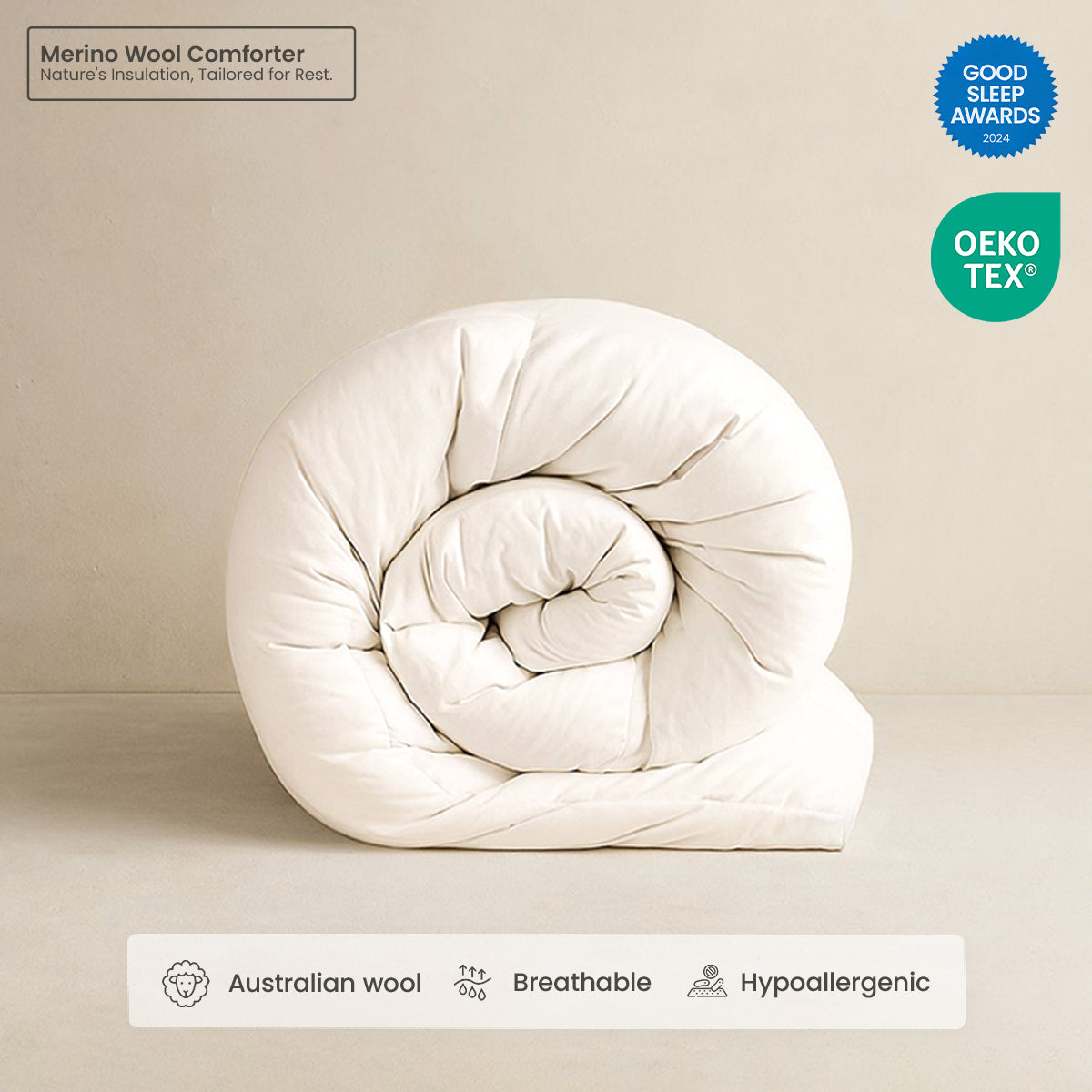
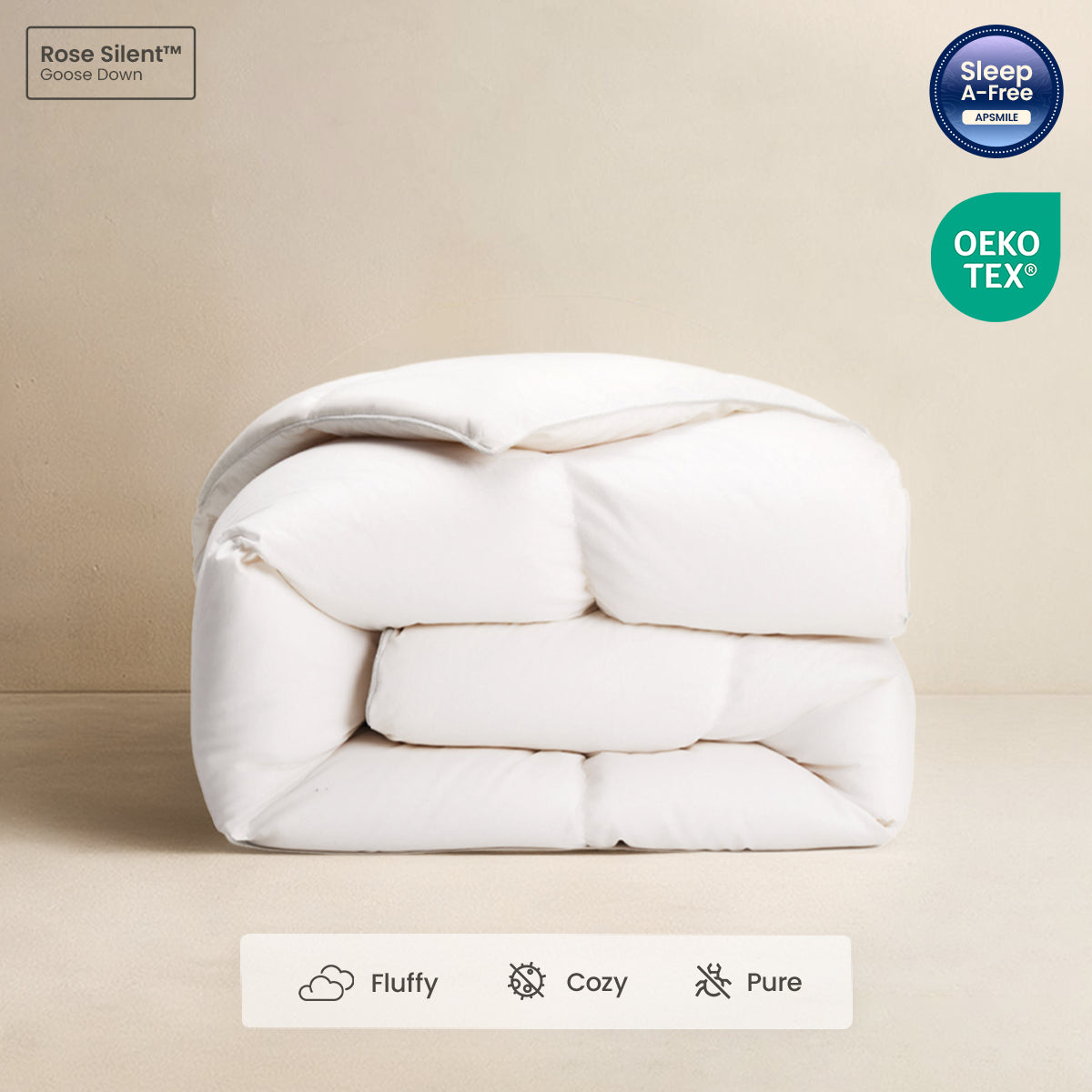
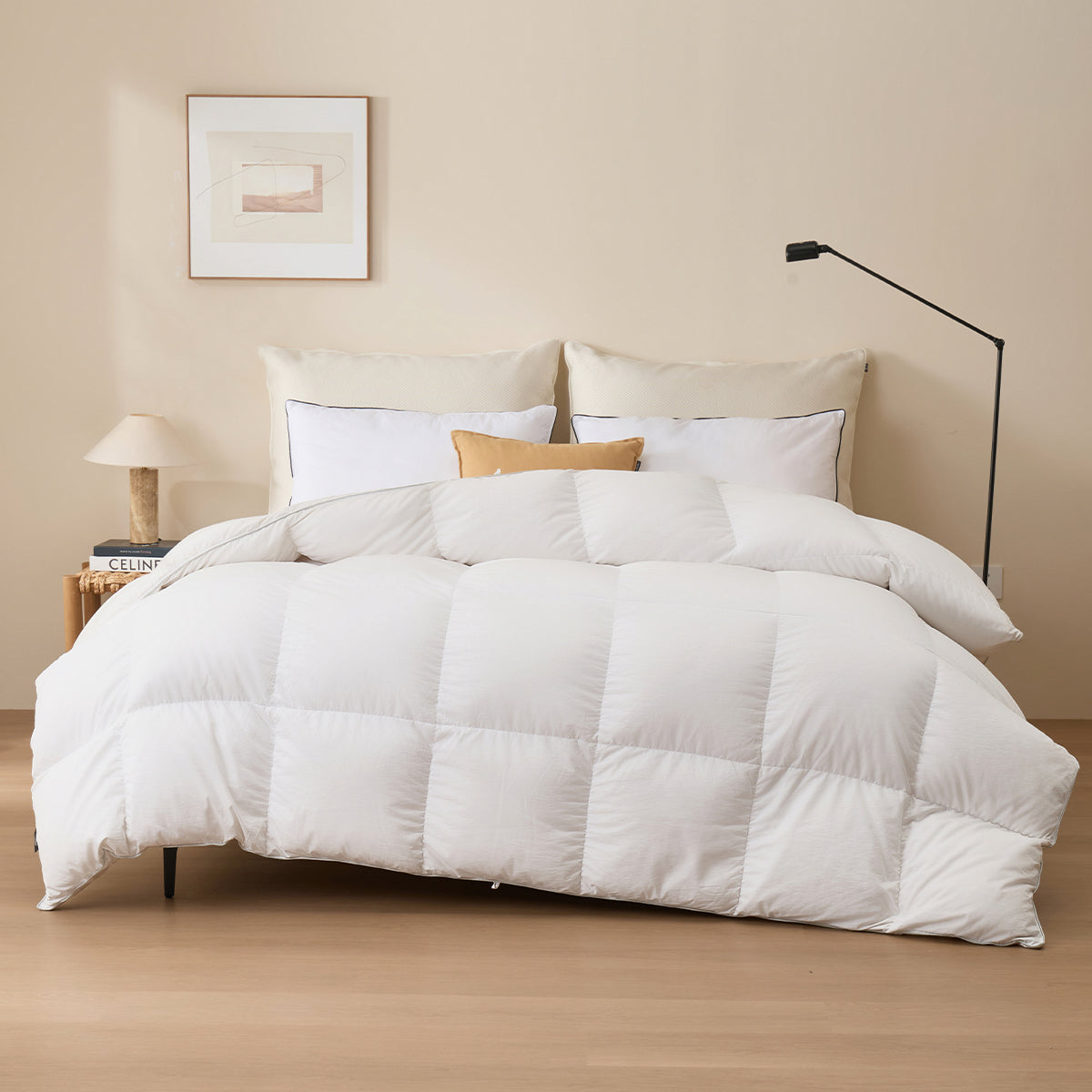
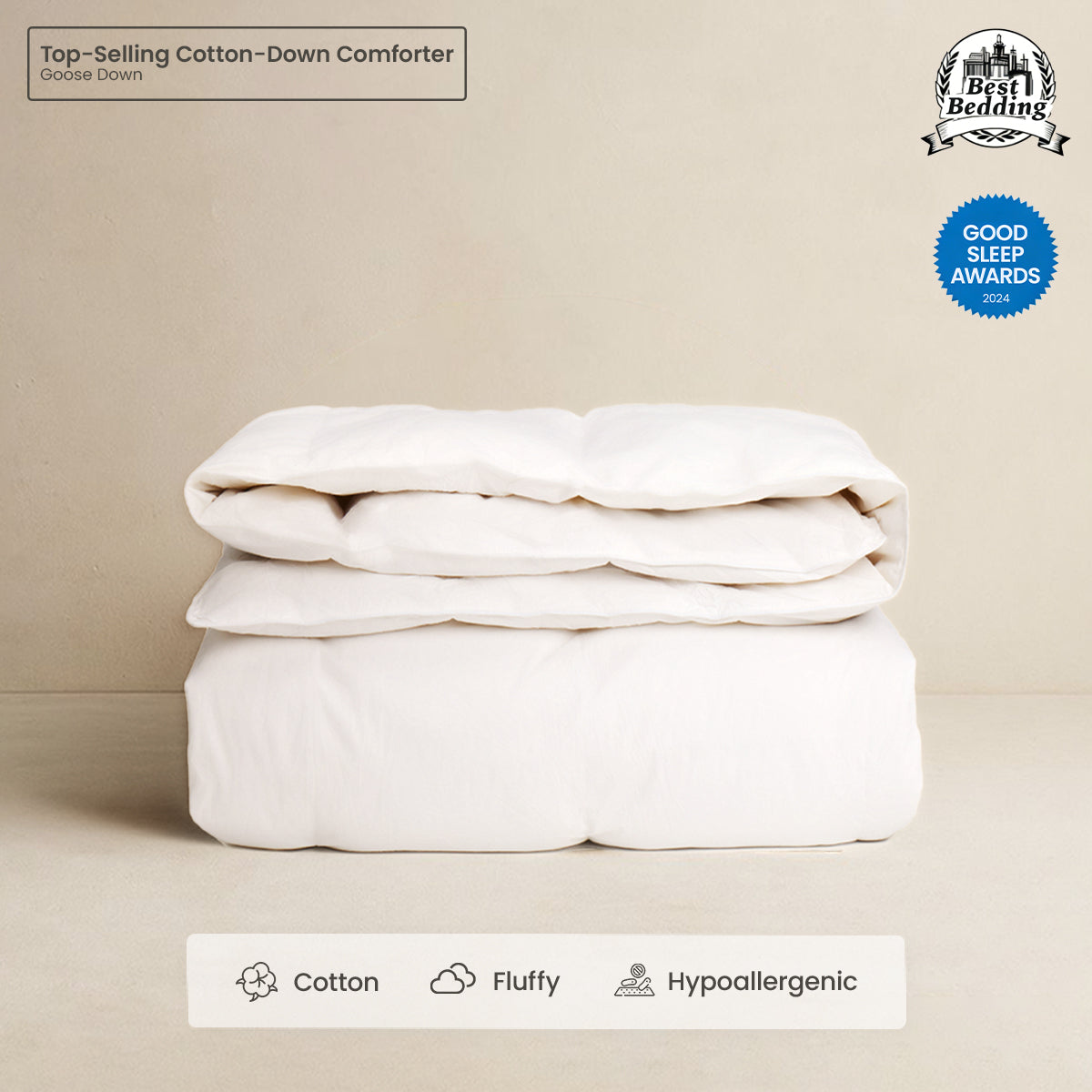
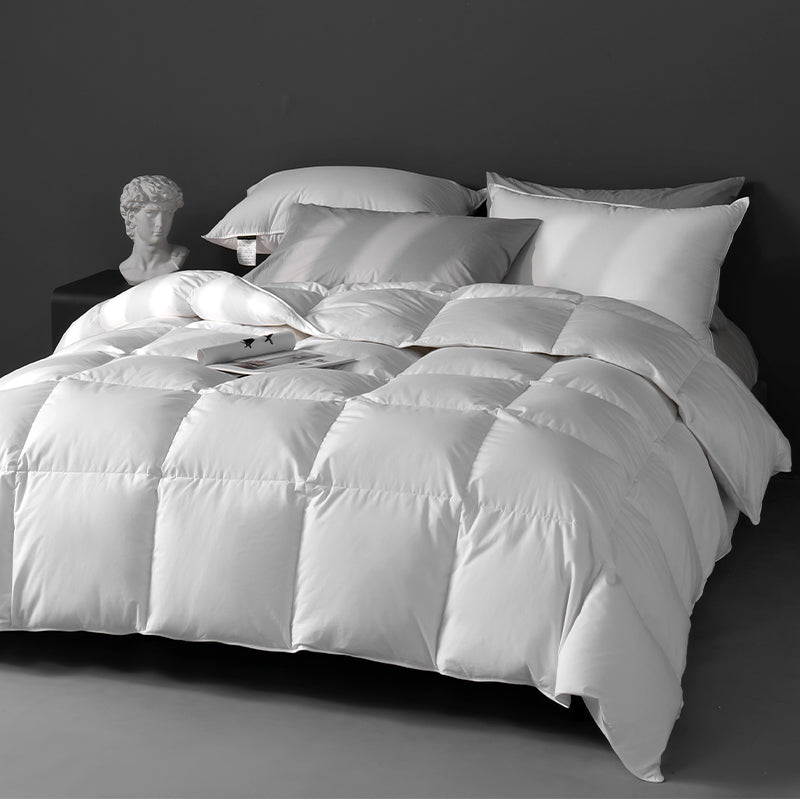
The Hack: Upgrade to a high-quality apsmile down comforter. Its natural goose down provides the perfect loft for air circulation, acting as a bio-thermal regulator that keeps you cool in the summer and warm in the winter. This "weightless" cloud-like comfort is the ultimate tool for balancing your room's sensory energy.

3. Clear the "Under-Bed Energy Block"
The Logic: Minimalism & Cognitive Load Feng Shui insists that energy must flow under the bed. In modern psychology, this is about reducing Cognitive Load.
-
Why it works: Stashing old gym shoes, taxes, or "dead weight" under your bed creates a subconscious burden. It’s hard to feel "light" when you're literally sleeping on top of a junk drawer.
-
The Hack: Keep the space under your bed entirely empty. If you must store items, use breathable bags for soft linens only, ensuring nothing "heavy" or stressful lingers beneath your sleep space.

4. Master the "Yin & Yang" of Light
The Logic: Circadian Rhythm Optimization Traditional Feng Shui discourages massive windows in bedrooms, claiming they "leak energy." This is really about Environmental Control.
-
Why it works: To signal your brain it's time for "Yin" (rest), you need total darkness. Exposure to streetlights or early morning sun interrupts your internal clock.
-
The Hack: Invest in high-quality Blackout Curtains. Embrace the sunlight during the day, but ensure absolute darkness at night to trigger maximum melatonin production.

5. The Power of Symmetry
The Logic: Visual Order & Relationship Equity In high-end interior design, symmetry is king. Feng Shui agrees, suggesting that pairs (two nightstands, two lamps) foster balance and partnership.
-
Why it works: Symmetry creates Visual Silence—it’s easy for the brain to process, which lowers anxiety. For couples, it creates a sense of "Equality of Space."
-
The Hack: Even if you’re single, style your bed with two matching lamps. It anchors the room in a sense of intentionality and order.

The Bottom Line
Good design is simply Applied Intuition. Whether you call it Feng Shui or Bio-hacking, the goal is the same: creating a space that treats your body like the high-performance machine it is.
Click here to learn more about apsmile down Duvet: https://apsmile.com/